
Building an Enterprise AI Gateway for Pharma: Guardrails, Audit Trails, and Why “Just Use ChatGPT” Isn’t an Answer When we started building DnXT Solutions, our vision was clear: to bring cutting-edge technology to life sciences regulatory operations, making complex processes simpler, faster, and more compliant. For years, we’ve delivered on that promise, and frankly, the […]

Why I Rebuilt Our Entire Platform on Microservices — and What Breaking a Monolith Actually Looks Like When we started DnXT Solutions, our goal was simple: build the best regulatory operations platform for life sciences. Like many startups, we began with what was practical and fast. Our first iteration was a classic monolith: a robust […]

We Built a Three-Layer AI Classification System for Regulatory Documents — Here’s What We Learned If you’ve ever been part of a regulatory team, you know the drill: the frantic rush to assemble a submission, the mountains of documents, and the painstaking, often soul-crushing task of manually classifying each one into its correct eCTD module […]

Beyond Controlled Vocabulary: The Case for Regulatory Reasoning For decades, our industry has grappled with the challenge of consistent, compliant data. The solution, for a long time, was the controlled vocabulary. And don’t get me wrong, it was a massive leap forward. Before controlled vocabulary, we faced metadata chaos – free-text fields, endless variations for […]

Why Your Veeva Vault Implementation Needs a Consulting Partner (Not Just a Configurator) I’ve been in the trenches of regulatory operations and technology for decades. I’ve seen companies invest millions in systems like Veeva Vault, only to find themselves struggling months or a year after go-live. The system is there, it’s technically functional, but it’s […]
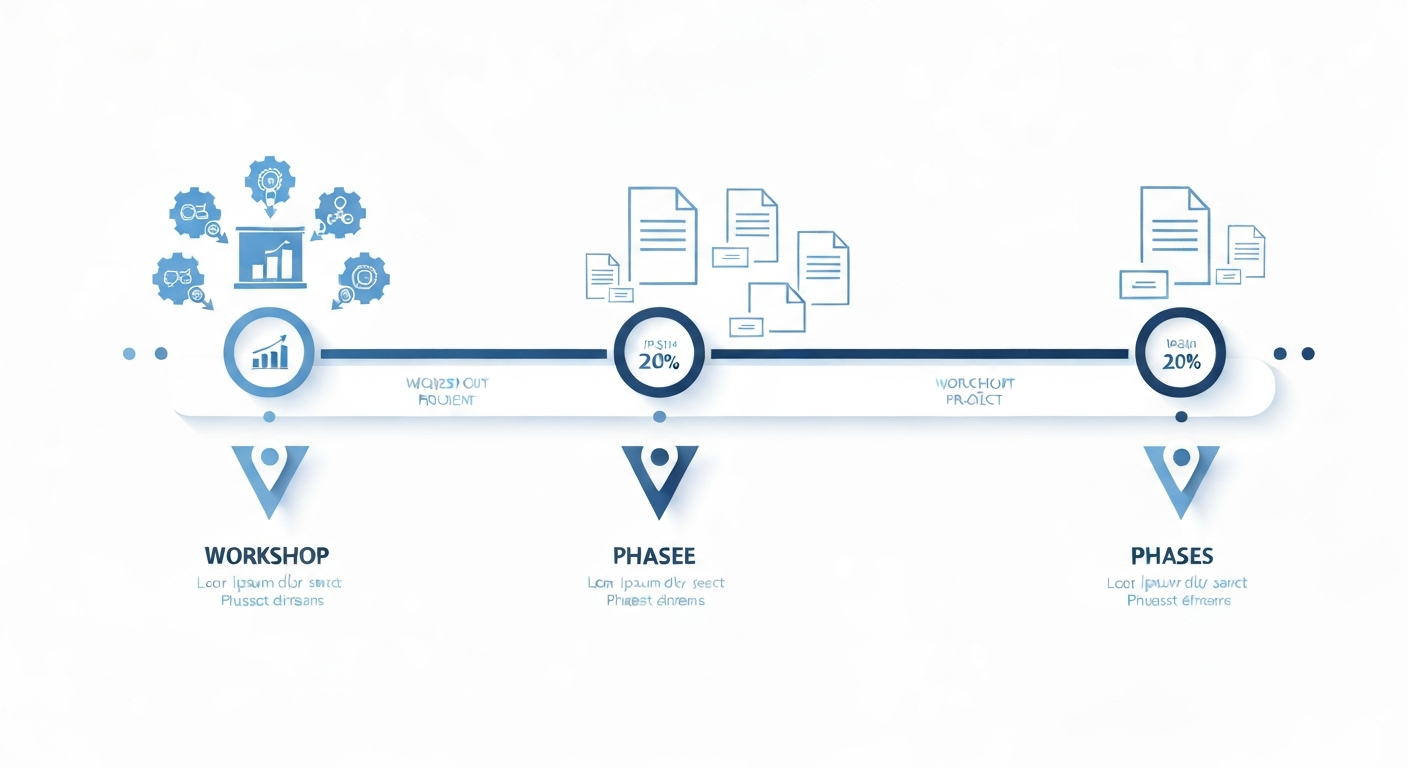
What a 12-Week Veeva Consulting Engagement Actually Looks Like Over the years, building DnXT Solutions from the ground up, I’ve personally delivered countless consulting engagements in the life sciences space. One thing that always struck me was the sheer variability – and often, the opacity – of what clients actually received from consultants. It’s why, […]

Veeva Vault Data Remediation: The Unsexy Work That Makes Everything Else Possible If you’ve spent any time working with Veeva Vault in a life sciences company, you know the promise: a single source of truth, streamlined regulatory processes, automation that cuts through the noise. It’s a powerful platform, and when it works as intended, it’s […]
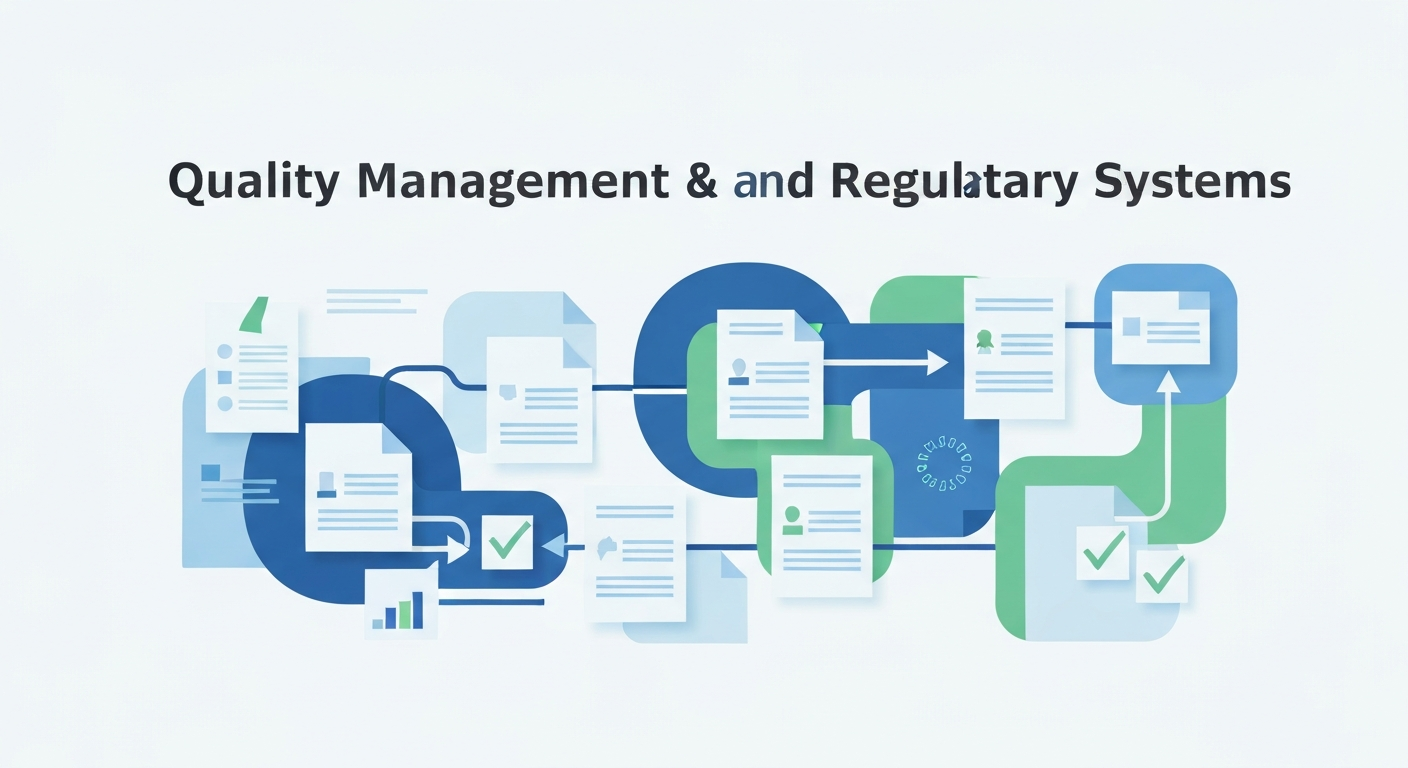
RIM Meets QMS: Building the Bridge Between Regulatory Submissions and Quality Management For years, I’ve seen regulatory and quality teams operating in parallel universes. Both are critical to bringing safe, effective products to patients, yet their systems and processes often run as separate entities. This isn’t just inefficient; it’s a significant risk point for any […]

The Disconnect Between Clinical and Regulatory – A Familiar Story I’ve spent years working with life sciences companies, helping them streamline their regulatory operations and adopt cutting-edge technology. And time and again, one of the most persistent, yet often overlooked, pain points I encounter is the chasm between Clinical Operations and Regulatory Affairs. Specifically, how […]
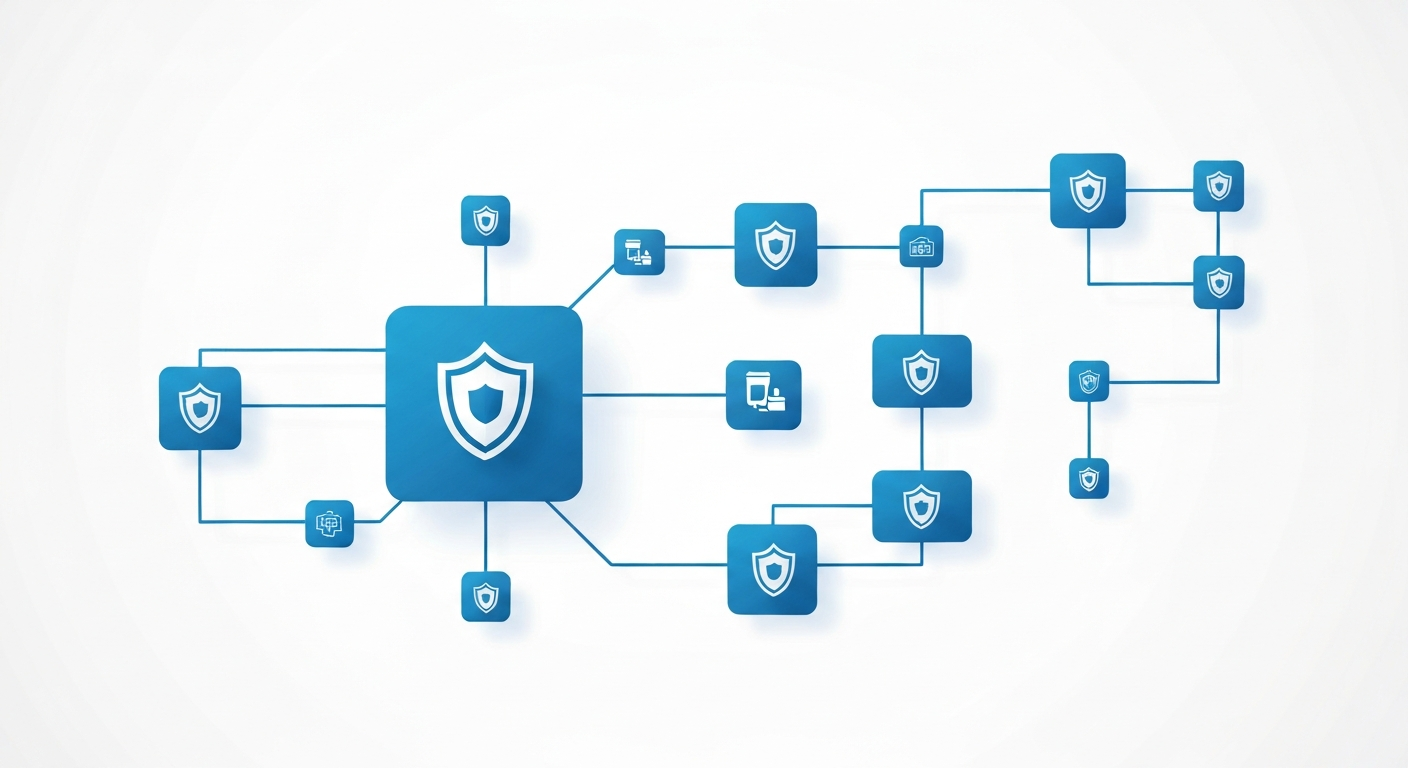
Veeva Vault Security Is More Complicated Than You Think — Here’s How to Take Control I’ve seen it countless times. A global top-20 pharma company, years into their Veeva Vault journey, suddenly hits a wall. A user can’t access a critical document, delaying a submission. Or worse, a user *can* see something they absolutely shouldn’t, […]